


Most of us carry more stress than we would like. Long workdays, constant notifications, and hours in front of screens leave little room for the mind to rest, and many of us spend most of the day indoors, away from the green spaces that help us recover. While significant mental health concerns should always be evaluated by a professional, there is encouraging research on simple, brief practices that can ease everyday stress.
In “Greenspace Ecotherapy Interventions: The Stress-Reduction Potential of Green Micro-Breaks Integrating Nature Connection and Mind-Body Skills,” researchers at the College of William & Mary set up two short, self-guided experiences on campus: a one-minute stop where people sat and simply observed nature, and a five-minute trail with signs guiding them through mind-body exercises such as slow breathing, guided imagery, body awareness, and nonjudgmental attention. At least 558 people took part over three weeks, and many left a brief written note about the experience. Although no one was asked about stress, more than a third described feeling relieved of it, and among notes that mentioned any effect on how people felt, 82% described stress relief: feeling calmer, refreshed, or more present. Because participants chose to take part and stress wasn’t measured directly, the study shows how people experienced these brief breaks rather than proving they reduce stress, but the results are promising.
Research has linked time in nature to lower stress, lower blood pressure, less anger, and greater resilience, and suggests that natural settings can refresh a mind worn down by screens and sustained concentration. But nature can feel far away for those of us in cities, small homes, or busy schedules. Encouragingly, some studies suggest that nature brought indoors can offer part of these benefits. In one, people recovered from a stressful experience more quickly while watching a video of natural settings; in another, viewing nature photographs for about six minutes improved attention (see our article on Clarity).
Give it a try:
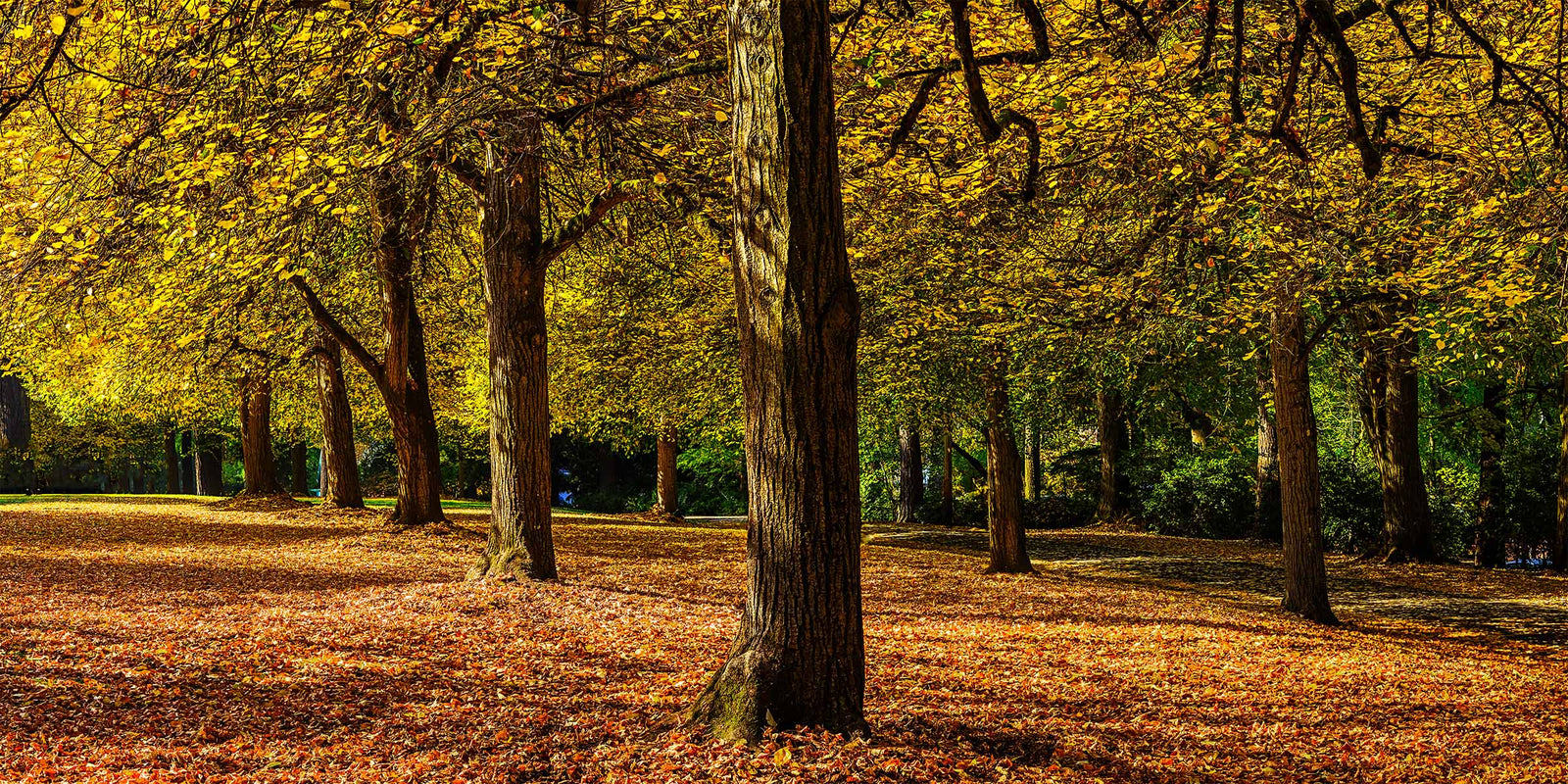
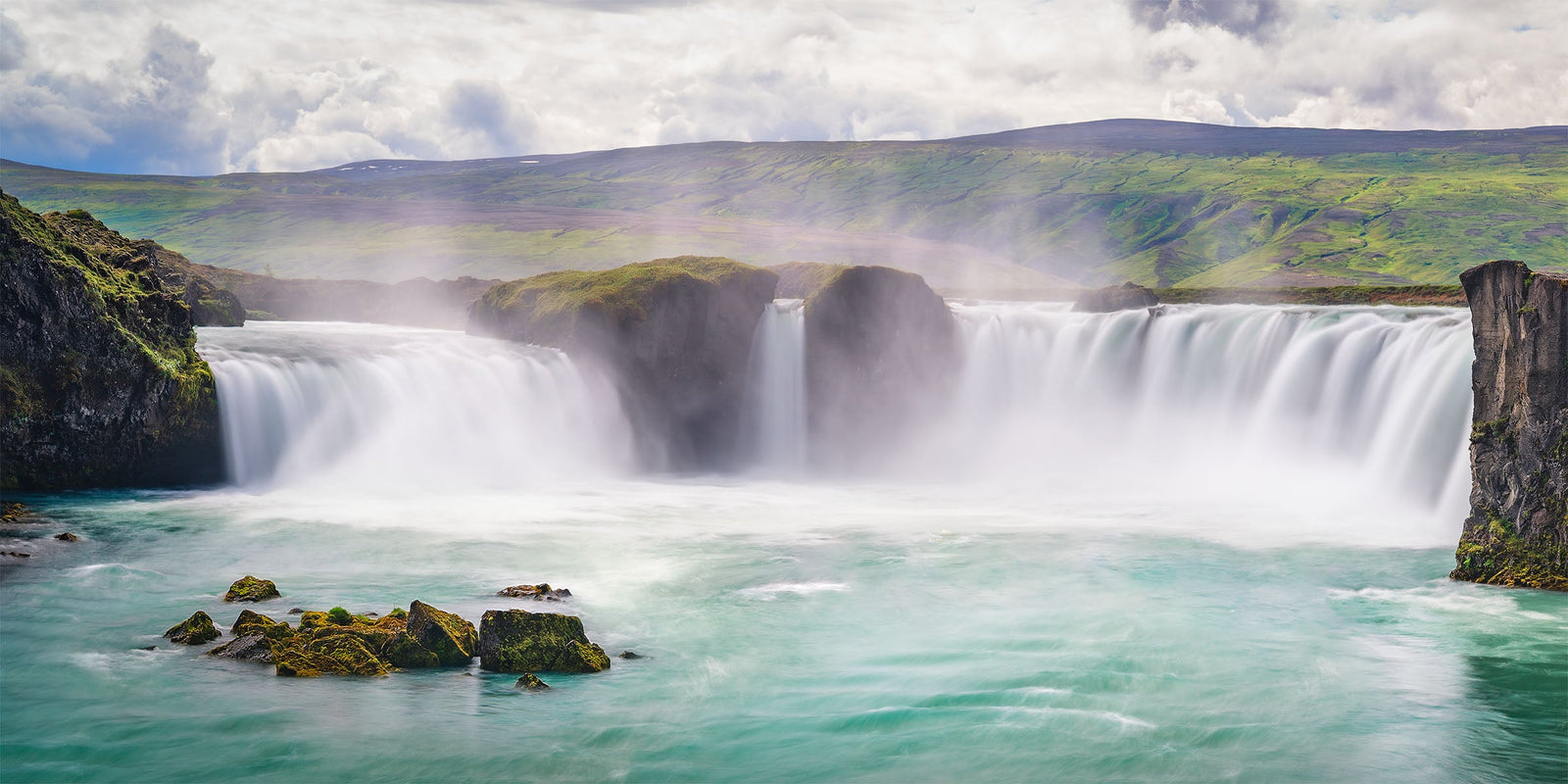
First, you’ll want to select a photo or other image that sparks your interest – some things to look for are detail, multiple colors and shades, and your favorite season or environment. For examples, browse the collection.
Next, you’ll need to create a space inside your home. When selecting a spot, consider areas that:
- Are not heavily used by others
- Are comfortable and quiet
- Have enough space for visual aids and movement (sitting, standing, stretching, etc.)
These exercises are adapted from RESET, a series of nature-based mind-body prompts developed by Wildrock, a nature center in Crozet, Virginia, and used in the study above.
Spend 2-3 minutes on each of the following exercises, and see if you can quiet your mind.
- Practice Mindfulness: Examine your photo. Take note of color changes, shading, blades of grass or leaves. Try not to think of anything else – if your mind starts to wander, gently bring yourself back to the image.
- Sensory Experience: Imagine yourself completely immersed in the photo. You may visualize floating on a cloud, bathing in colors, or mirroring a tree. Try to hear the image depicted – chirping birds, running water, wind through the trees. You may even be able to feel the sun on your face.
- Deep breathing: Take some deep relaxation breaths while viewing your photo. Inhale and exhale, both to the count of four. Slow, even breathing like this can help calm the body and mind. With your newfound attention, colors in your image may seem brighter, more detailed, and more fascinating.
When you’ve completed the exercises, take a minute to close your eyes, stretch, or even lie down. Ease yourself back into your day. Mindfulness practices get easier the more you do them, so remember that you can repeat these steps as many times as you like to achieve more and more benefit.
We’d love to hear how it went. Send us a note about your experience.
Source: Ibes, D., Hirama, I., & Schuyler, C. (2018). Greenspace ecotherapy interventions: The stress-reduction potential of green micro-breaks integrating nature connection and mind-body skills. Ecopsychology, 10(3), 137–150. https://doi.org/10.1089/eco.2018.0024