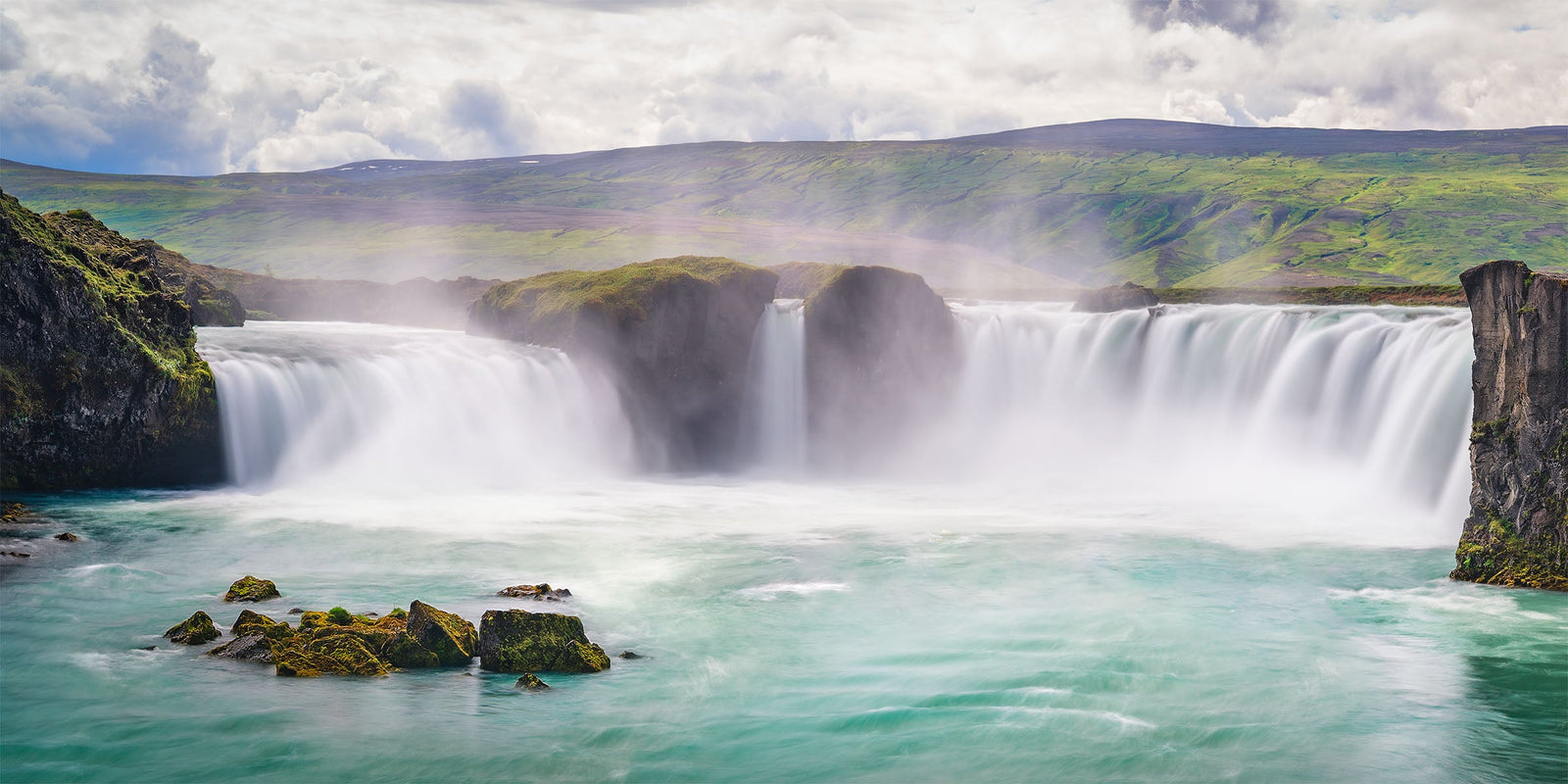


Most of us now spend the great majority of our time indoors, much of it in front of screens. Even when nature is close by, our days rarely leave room to step into it. And while there is no substitute for professional care when mental health concerns arise, there may be something simple we can do in our own micro-environments, the rooms where we work, rest, and live, to support how we feel.
That something is connection with nature. Biophilia, a term popularized by biologist E. O. Wilson, describes the idea that humans have a deep-seated need to connect with the natural world. It may help explain why we can watch ocean waves for an hour, or why a walk through a park leaves us feeling restored.
People have brought nature into their homes and public spaces for millennia, through gardens, water, plants, and natural materials. Today, designers and researchers call this biophilic design. In a 2014 review drawing on more than 500 articles and books, Ryan and colleagues concluded that visual connections with nature can reduce stress and improve mood and self-esteem, and that even small instances of nature can be restorative, an encouraging point for anyone without a garden or a view.
Real nature remains the gold standard. In one study the review describes, office workers recovering from mild stress recovered more when looking through a window onto a natural view than when watching the same view on a high-definition screen or facing a blank wall. Still, research suggests that images of nature offer some benefit, though less than the real thing; the review’s guidance is to prioritize real nature while recognizing that simulated nature is better than none. In windowless spaces especially, people often bring in nature imagery on their own, and respond positively to it.
Why might natural scenes feel so good to look at? Neuroscientists Irving Biederman and Edward Vessel have proposed that scenes rich in interpretable visual information, like natural landscapes, engage parts of the brain’s visual system that are dense in receptors for the brain’s own opioids, chemicals associated with pleasure. Their work also suggests that, unlike many other scenes, nature tends to hold our interest with repeated viewing.
A few practical ideas follow from this research. The review suggests aiming for at least 5 to 20 minutes of contact with nature each day. It also notes that the psychological benefits of green spaces appear to increase with biodiversity, a finding from studies of real parks that suggests variety may serve us better than a single scene. And because familiarity can dull any experience over time, designers suggest introducing change, such as seasonal variation. With photographs, that might mean placing a few different images where you spend the most time, and rotating them now and then to keep them fresh.
To begin, choose images that offer different experiences: calm water to settle the mind, a forest to get lost in, a wide view that invites the eye to travel. For more ideas, explore our articles on Calm, Clarity, and Stillness, or browse the collection.
Source: Ryan, C. O., Browning, W. D., Clancy, J. O., Andrews, S. L., & Kallianpurkar, N. B. (2014). Biophilic design patterns: Emerging nature-based parameters for health and well-being in the built environment. Archnet-IJAR: International Journal of Architectural Research, 8(2), 62–76.