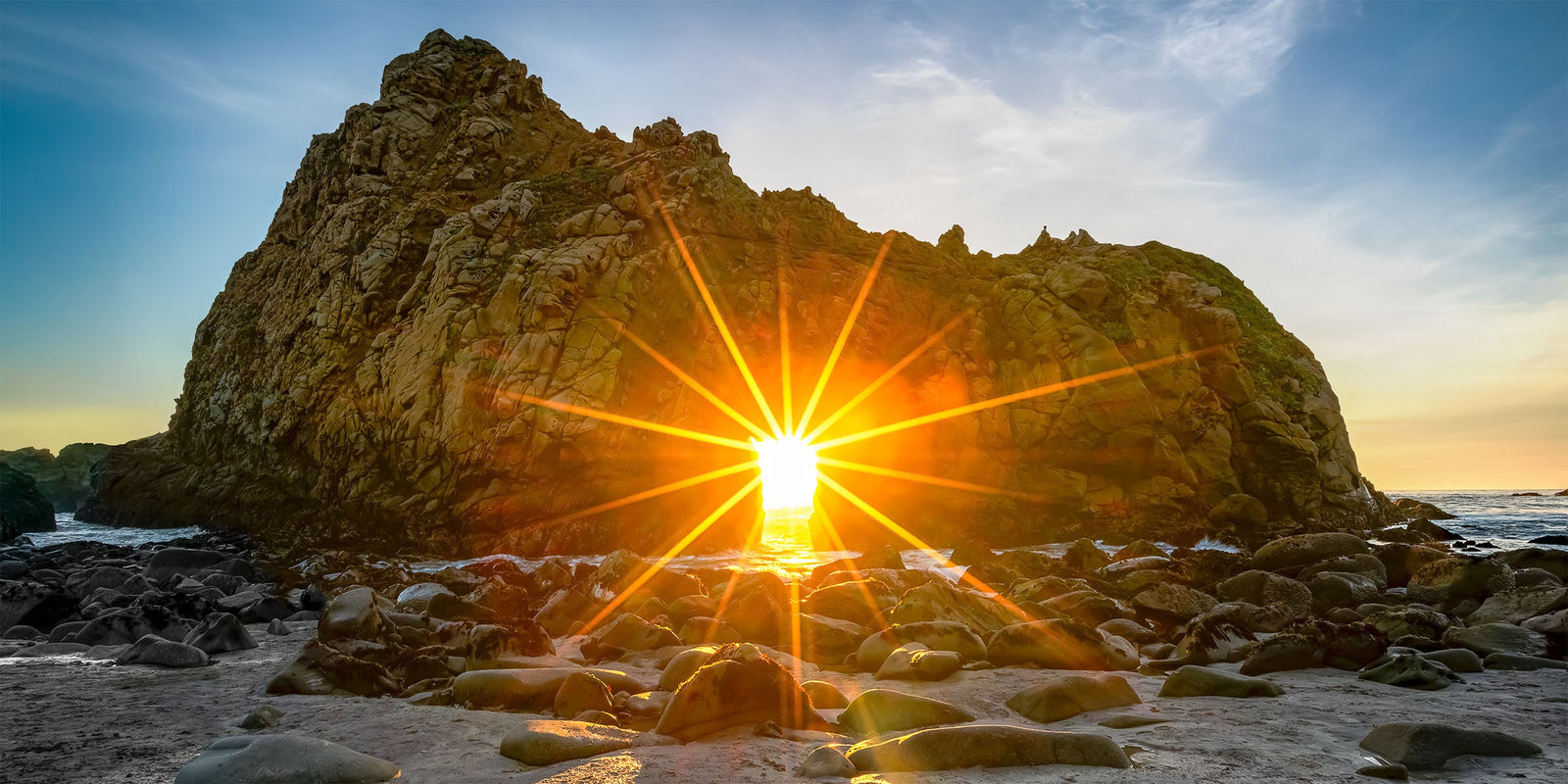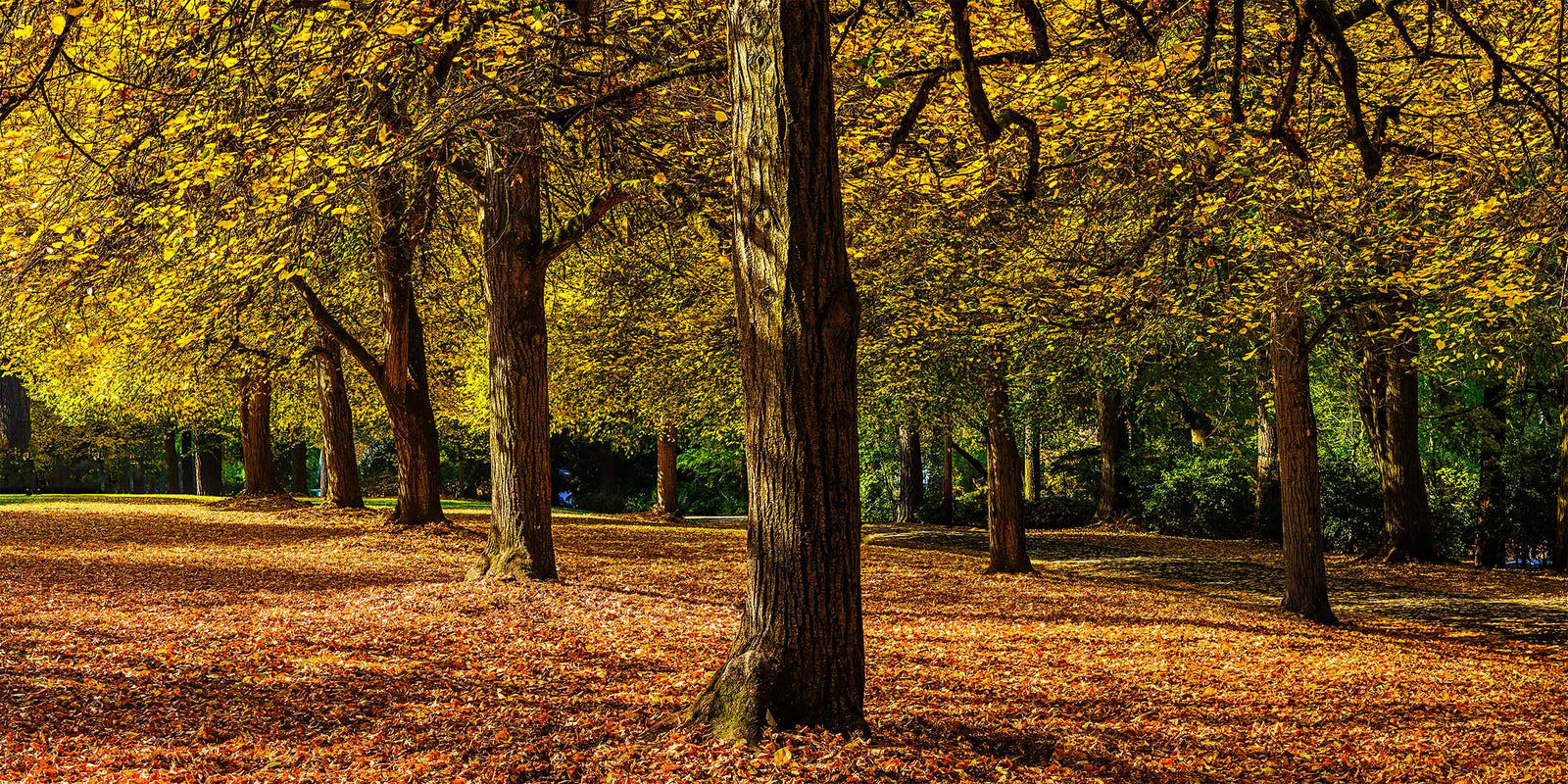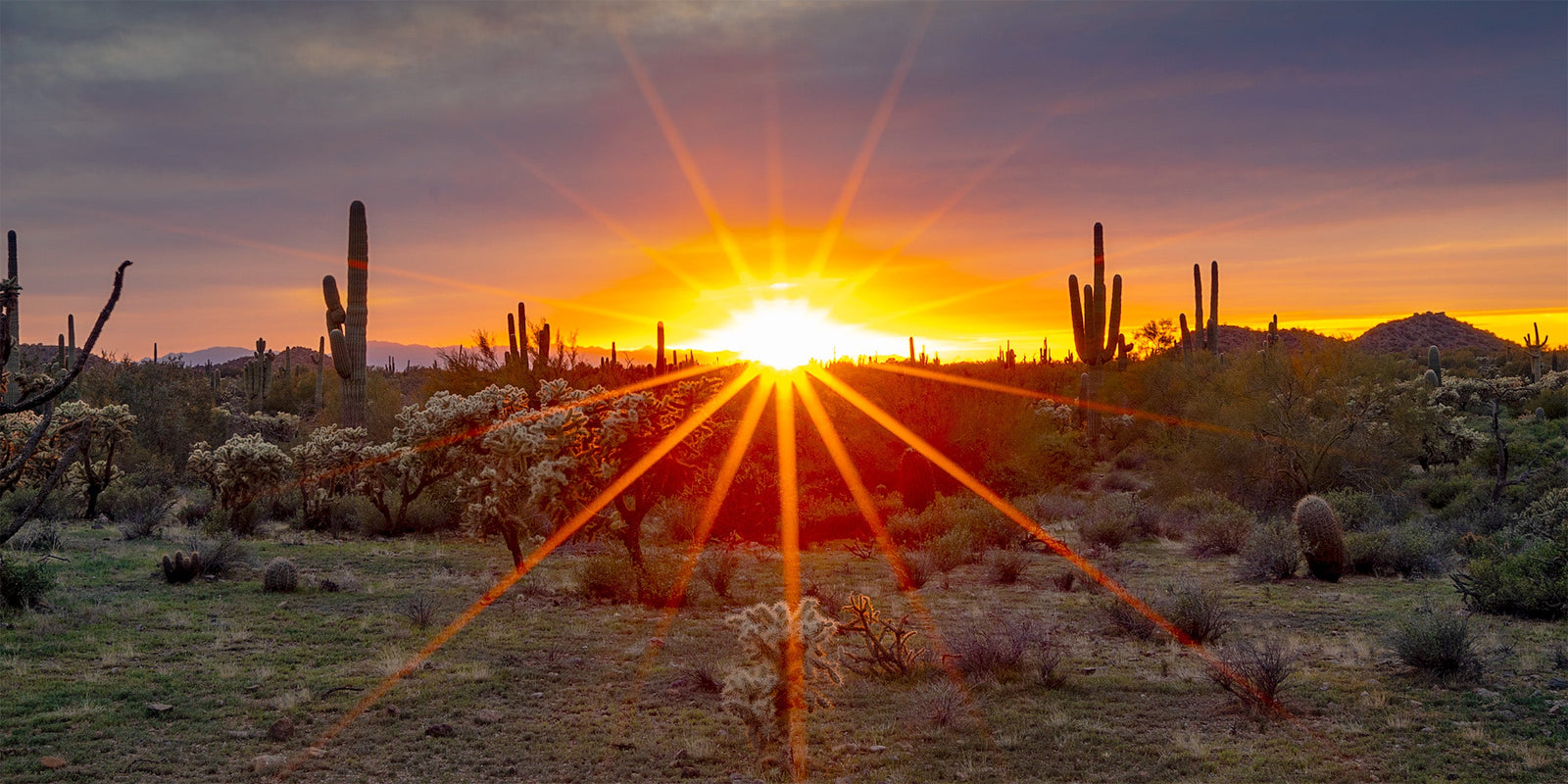

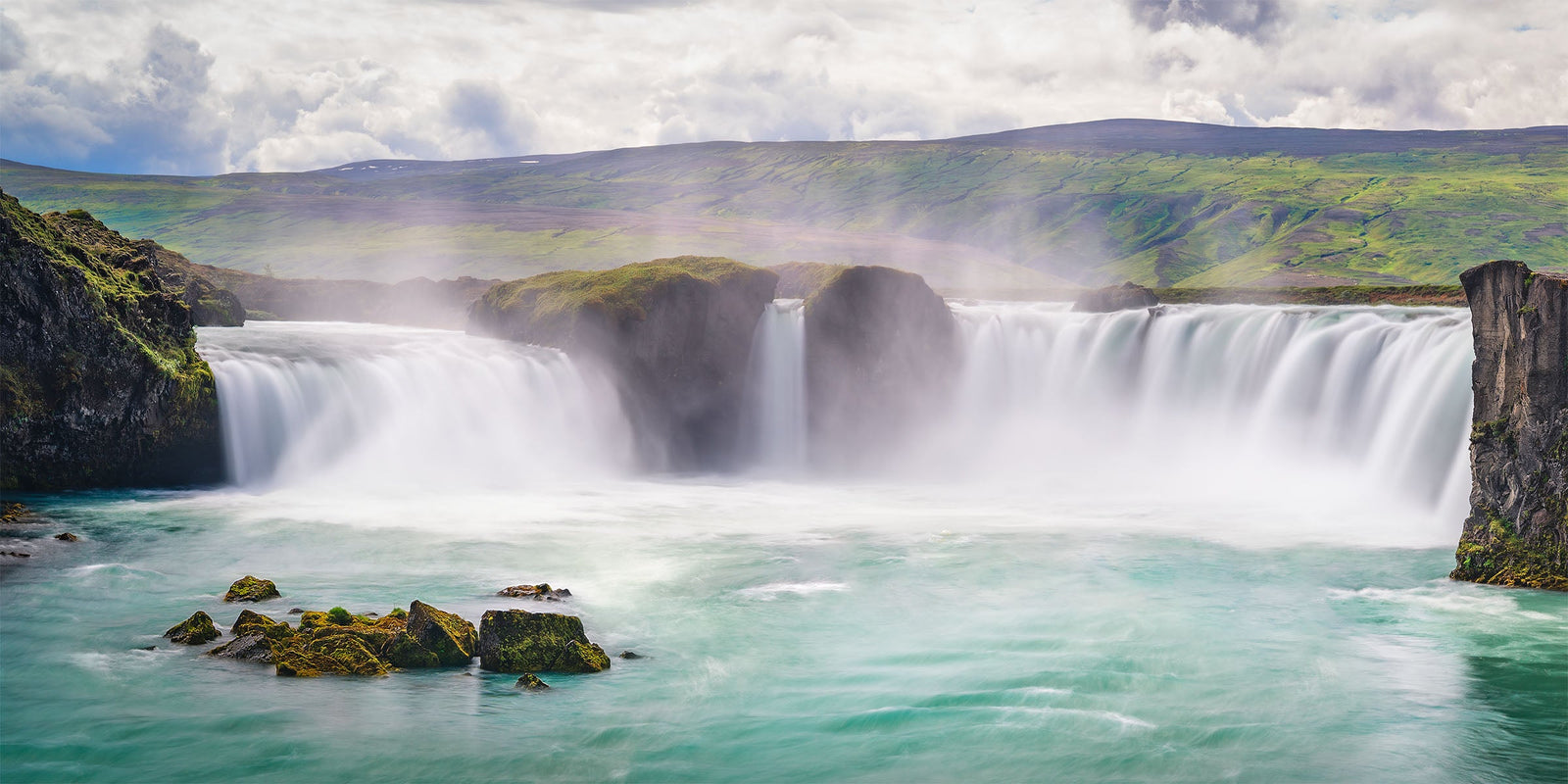

Stand at the rim of a canyon, beneath a thundering waterfall, or among trees so tall you have to lean back to find their tops, and a particular feeling arrives. Words fall short. Time seems to slow. We call it awe, and although poets, philosophers, and spiritual traditions have written about it for thousands of years, psychology was nearly silent about it until surprisingly recently.
In 2003, psychologists Dacher Keltner of the University of California, Berkeley, and Jonathan Haidt of the University of Virginia set out to define it. Drawing on centuries of writing about awe, from ancient religious texts to the eighteenth-century philosopher Edmund Burke’s reflections on the sublime, they proposed that awe rests on two essential ingredients.
The first is vastness: anything we experience as much larger than ourselves or our usual frame of reference. The second is what they called a need for accommodation: the sense that our existing ways of understanding the world can’t quite take in what we’re experiencing, so they have to stretch. Both are necessary. Surprise involves the stretch without the vastness; simple deference involves vastness without the stretch. Awe asks for both at once.
Keltner and Haidt also proposed that awe comes in different flavors. When vastness carries a sense of threat, awe takes on a tinge of fear, as in a violent electrical storm. When it carries beauty, awe becomes uplifting, as in a sunset over the mountains. Two decades later, researchers testing this idea found that beautiful, expansive nature scenes improved well-being, while threatening ones like storms did not, a study we describe in another article on Wonder.
Nature, the authors suggested, may be the most common source of awe in modern life: mountains, vistas, oceans, waterfalls, redwoods, and even endlessly repeating patterns like waves. Awe in nature often brings a diminished sense of self, as everyday worries and distinctions fall away. Ralph Waldo Emerson captured this in 1836, describing a moment in the woods: “I become a transparent eyeball; I am nothing; I see all.” The authors also noted that unfamiliar scenes are more likely to inspire awe than familiar ones, since they ask more of our understanding.
Art, they proposed, can evoke awe as well, especially when it captures an exceptional moment that hints at vast forces beyond it. That is a fitting description of what a landscape photograph can do at its best: hold still a moment of light, weather, or scale that the mind must stretch to take in.
Keltner and Haidt were candid that they built this framework before the research to test it existed, and they closed with an invitation to study awe more closely. Researchers have taken them up on it, and awe is now one of the most active topics in emotion research. Among their boldest suggestions: because awe can reorganize how we see the world, it may be one of the fastest paths to personal change and growth.
A few practical ideas follow. Because familiarity can dull awe, it helps to keep wonder fresh, perhaps by rotating the images you live with or seeking out places you’ve never been. Choose vastness that feels beautiful and welcoming rather than threatening. And give yourself time: awe needs a moment for the mind to stretch.
Try it: Choose an image of something vast: a mountain range, an ocean, a canyon, a night sky. Find something in it that gives you a sense of scale, such as a single tree on a distant ridge or a thin line of shore. Then ask yourself a question about the scene you can’t easily answer: How long did this take to form? What lies beyond the horizon? Let the question stay open for a minute, and notice what it feels like to not know.
The image at the top of this article, Nature’s Symphony, shows Goðafoss, the “waterfall of the gods,” in northern Iceland.
Source: Keltner, D., & Haidt, J. (2003). Approaching awe, a moral, spiritual, and aesthetic emotion. Cognition and Emotion, 17(2), 297–314. https://doi.org/10.1080/02699930244000318