Natural Phocus


Modern life asks your attention to work all day: screens, deadlines, notifications, decisions. Psychologists call the result directed attention fatigue, and it shows up as scattered focus, irritability, and mental noise. Natural scenes engage attention differently. They hold it gently and without effort, giving the mind’s focusing system a chance to rest and recover. This is the core of attention restoration theory, and research suggests that even images and views of nature can support it. Every Natural Phocus photograph is composed with that purpose in mind.
Modern life asks your attention to work all day: screens, deadlines, notifications, decisions. Psychologists call the result directed attention fatigue, and it shows up as scattered focus, irritability, and mental noise. Natural scenes engage attention differently. They hold it gently and without effort, giving the mind’s focusing system a chance to rest and recover. This is the core of attention restoration theory, and research suggests that even images and views of nature can support it. Every Natural Phocus photograph is composed with that purpose in mind.
Natural scenes invite the body’s stress response to settle.
Effortless attention lets your capacity to concentrate recover.
A few quiet moments with nature can steady your mood.
A daily reminder of the living world you belong to.


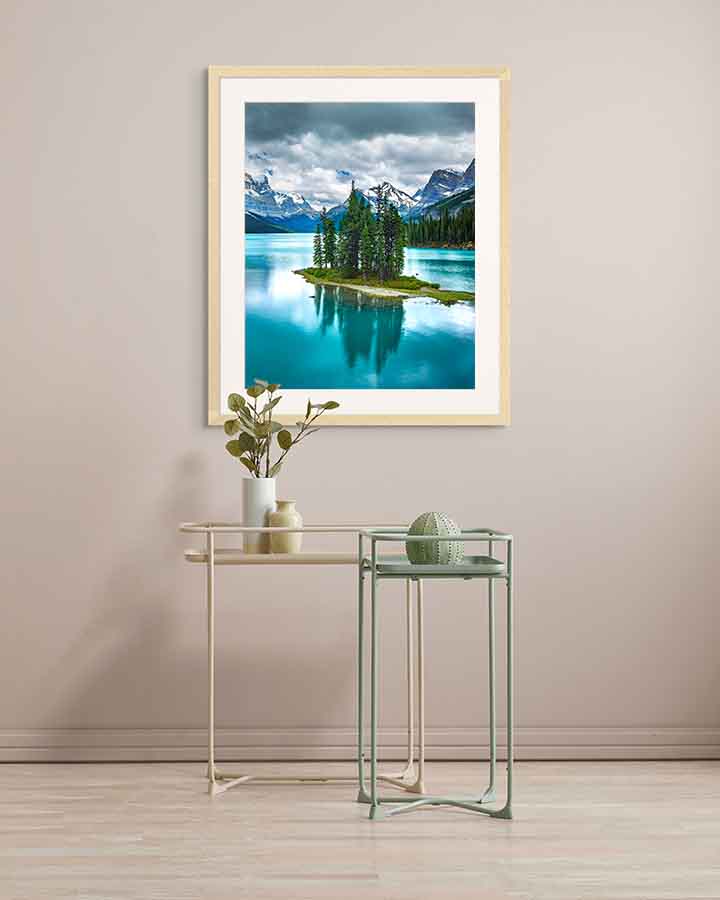
As storm clouds gathered over Maligne Lake, Spirit Island stood unwavering, a small sanctuary of green surrounded by waters of glacial blue. The wind moved gently across the surface, stirring reflections that blurred the line between sky and earth. In that moment, the island felt alive, not lonely, but complete in its stillness.
Spirit of Solitude is a meditation on quiet strength, reminding us that solitude is not the absence of connection, but the place where peace and resilience take root, even when the world grows dark around us.
Photographed by Steve Austin at Maligne Lake, Jasper National Park, Alberta, Canada. Open edition, printed to order with archival inks.
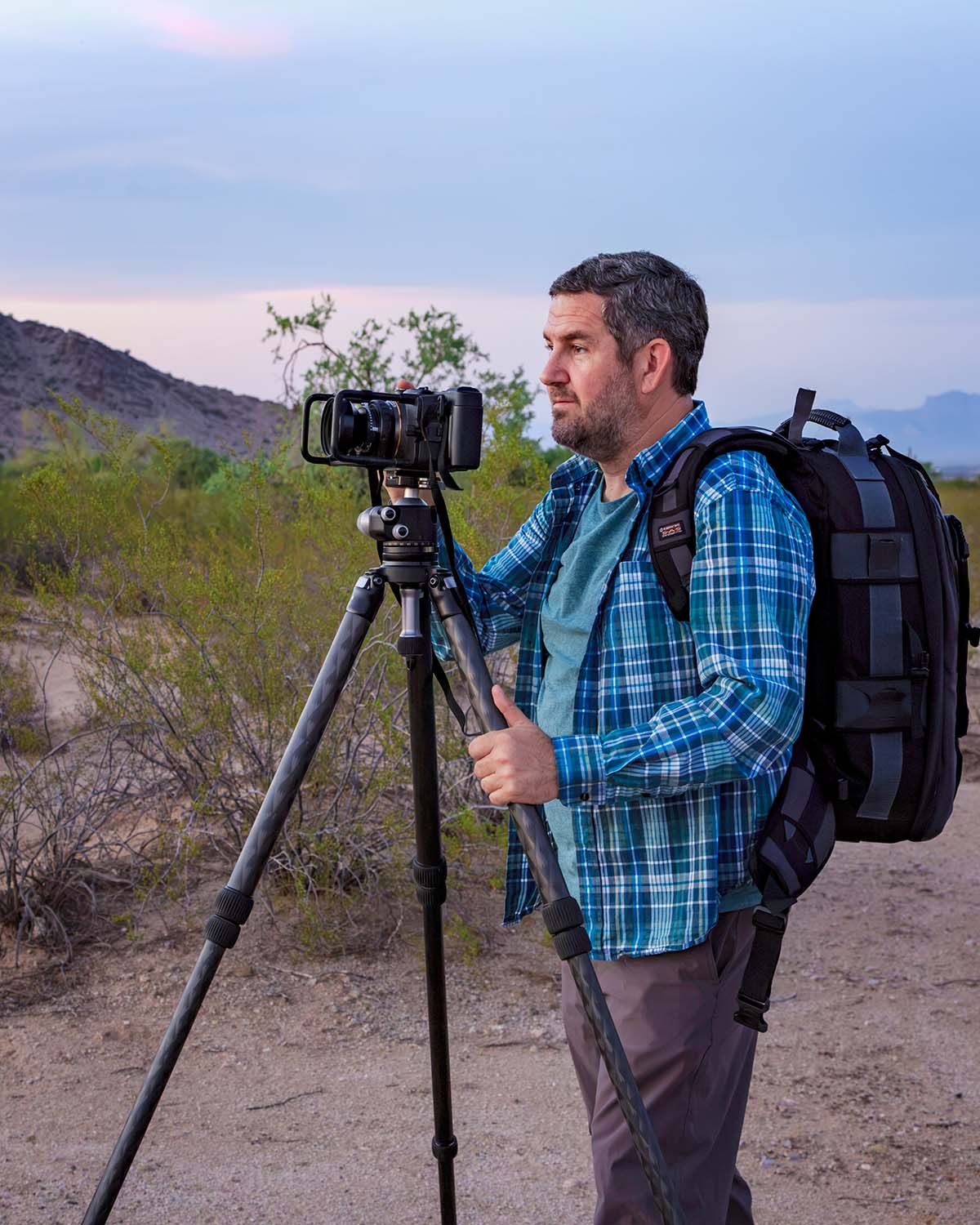
Steve Austin is a tenured psychology professor at Maricopa Community Colleges and a faculty associate in Human Systems Engineering at Arizona State University, where he earned his master’s degree in behavioral neuroscience. His current research explores how nature imagery, paired with brief reflective practices, can support student well-being, focus, and engagement. For more than a decade he has photographed natural landscapes with that same question in mind. Natural Phocus brings the two together: images chosen for how they help a busy mind settle, grounded in what psychology tells us about attention and restoration.
“I’m not photographing scenery. I’m designing environments for the mind.”
Steve Austin is a tenured psychology professor at Maricopa Community Colleges and a faculty associate at Arizona State University, trained in behavioral neuroscience. His research explores how nature imagery supports well-being and focus. Natural Phocus brings his science and more than a decade of landscape photography together.
“I’m not photographing scenery. I’m designing environments for the mind.”


Each print is made to order with archival inks on fine art paper or canvas.
If your print arrives damaged, let us know within 7 days and we’ll replace it free.
Standard shipping is free anywhere in the U.S. on orders over $75.

In a two-week study, simply noticing everyday nature, and photographing what moved them, left people happier, more inspired, and more connected. No extra time in nature required.

In a classic study, a walk in a park, and even ten minutes with nature photographs, helped restore the kind of focus that tires with use. Here’s how nature replenishes attention.

What makes a moment awe-inspiring? Two psychologists proposed a simple answer: vastness, and a mind that has to stretch to take it in. Here’s what that means for how we experience nature.

Feeling connected to nature is linked with well-being, but research suggests the key may be letting ourselves be moved by its beauty. Here’s why noticing matters.