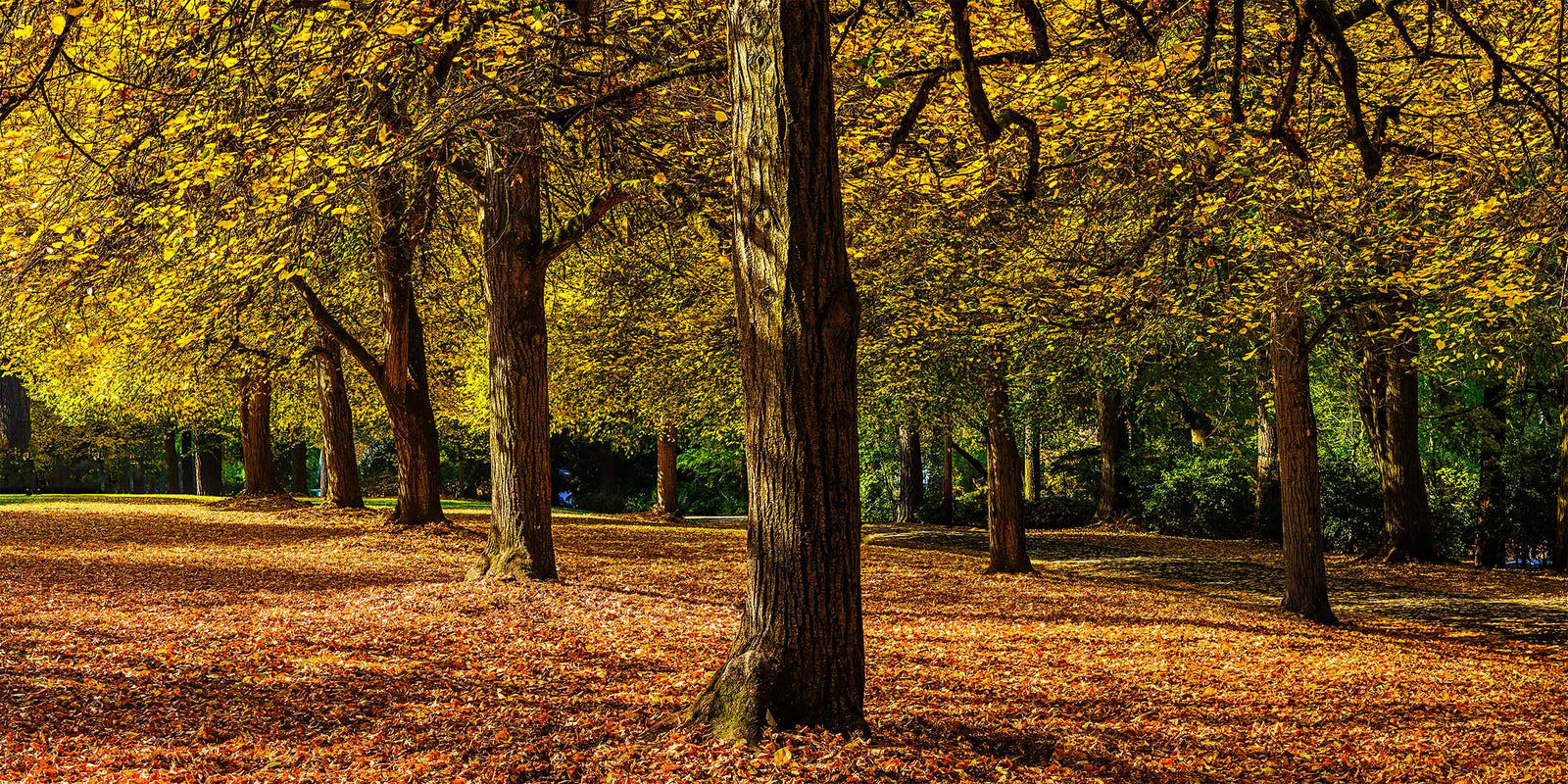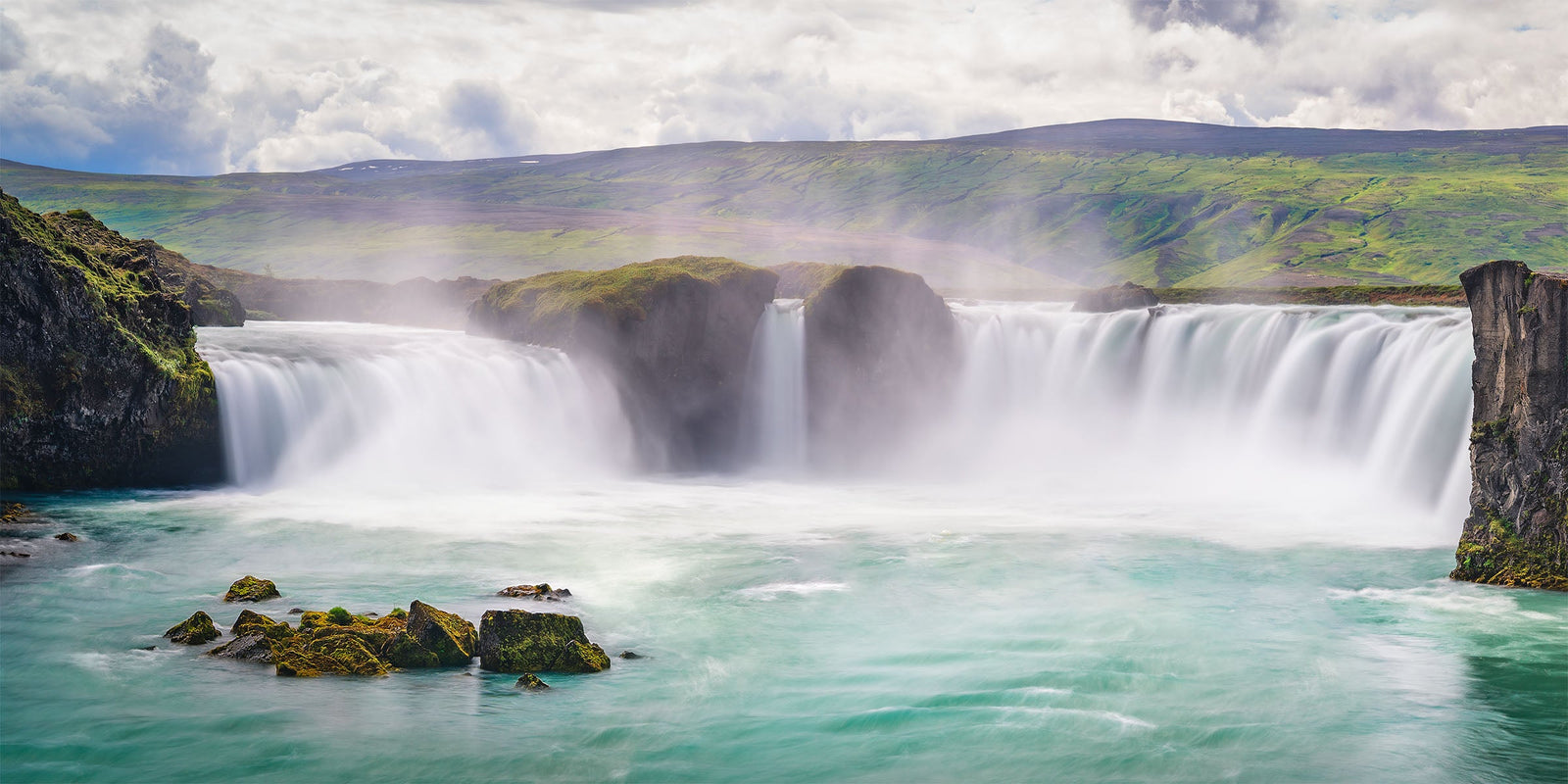



Most of the nature we encounter each day goes unnoticed: the tree outside the office window, the light falling across a neighbor’s garden, the sky on the walk to the car. What would happen if we simply started paying attention?
In a 2017 study, psychologists Holli-Anne Passmore and Mark Holder at the University of British Columbia set out to find out. They randomly assigned 395 university students to one of three groups for two weeks. Students in the first group were asked to notice how the nature in their everyday surroundings made them feel, and whenever a scene stirred a strong emotion, to take a photograph and write a brief description of the feeling. The second group did the same with human-built things, such as buildings, cars, and furniture. The third group simply went about their usual routines. The researchers stressed that the quality of the photographs didn’t matter; the feeling did.
After two weeks, the students who had been noticing nature reported more positive emotion, more feelings of elevation, such as being inspired, uplifted, or filled with wonder, and a stronger sense of connection to other people, to nature, and to life as a whole. They also felt more inclined to help others. These effects were larger than those typically found for many well-being exercises.
Perhaps the most striking finding is what didn’t change: students in the nature group spent no more time in nature than anyone else. The benefit came from attention alone. No travel, no new routine, no lifestyle change, just noticing the nature that was already there.
The photographs themselves told a story. Of more than 2,500 images, those of nature were more often linked with awe, freedom, hope, peacefulness, and a feeling of rejuvenation. Photos of built objects were more often tied to stress, annoyance, fatigue, envy, and guilt, though sometimes also safety and pride. One student, photographing a sunrise, wrote simply: “Made me feel hopeful, the Sun never stops rising.” Many in the nature group said they were surprised by how much nature affected them, echoing other research showing that people tend to underestimate the benefits of brief contact with nature.
There’s a hopeful note here, too. The benefits didn’t depend on how connected to nature or how attuned to beauty people already were. In our article The Beauty We Notice, we described research suggesting that people who are naturally moved by nature’s beauty may gain the most from it. This study suggests that noticing can be practiced, and that its rewards are open to anyone willing to try.
The study has limits: its participants were university students, most of them women, and it measured how people felt after two weeks rather than over the long term. Still, it points to a remarkably simple practice.
Try it: For the next two weeks, pay attention to the nature in your everyday surroundings: a tree on your street, clouds over a parking lot, a houseplant catching the morning light. When something stirs a feeling, take a quick photo with your phone and write one sentence about how it made you feel. At the end of the two weeks, look back through your photos and notice what you’ve gathered.
The image at the top of this article, Let the Light Guide You, captures the last light of the day streaming through the Keyhole Arch at Pfeiffer Beach in Big Sur, California. It is available as a print.
Source: Passmore, H.-A., & Holder, M. D. (2017). Noticing nature: Individual and social benefits of a two-week intervention. The Journal of Positive Psychology, 12(6), 537–546. https://doi.org/10.1080/17439760.2016.1221126