

Most of us have had the unpleasant experience of sitting in a hospital waiting room. In that room, we are often overwhelmed with worry for ourselves or a loved one. We long for peace and patience as we wait, hoping for good news but ruminating on all that could go wrong. It seems contradictory, then, that the very place where we most need comfort is so often cold and unwelcoming: stark walls, uncomfortable chairs, fluorescent lighting that hurts the eyes. A growing body of research has focused on creating “healing environments,” changes to a space’s design and aesthetics that may ease stress and improve the experience of care.
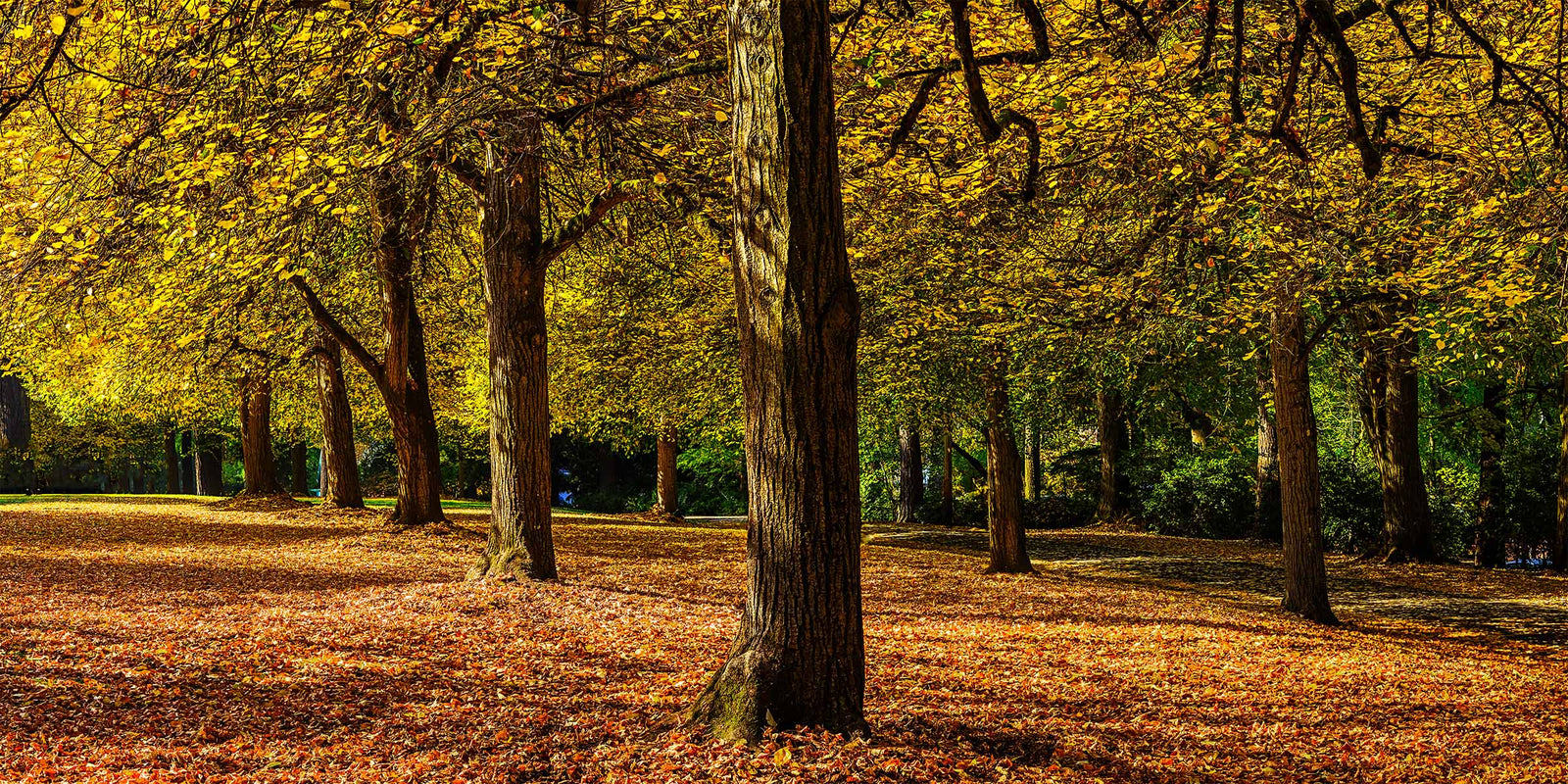
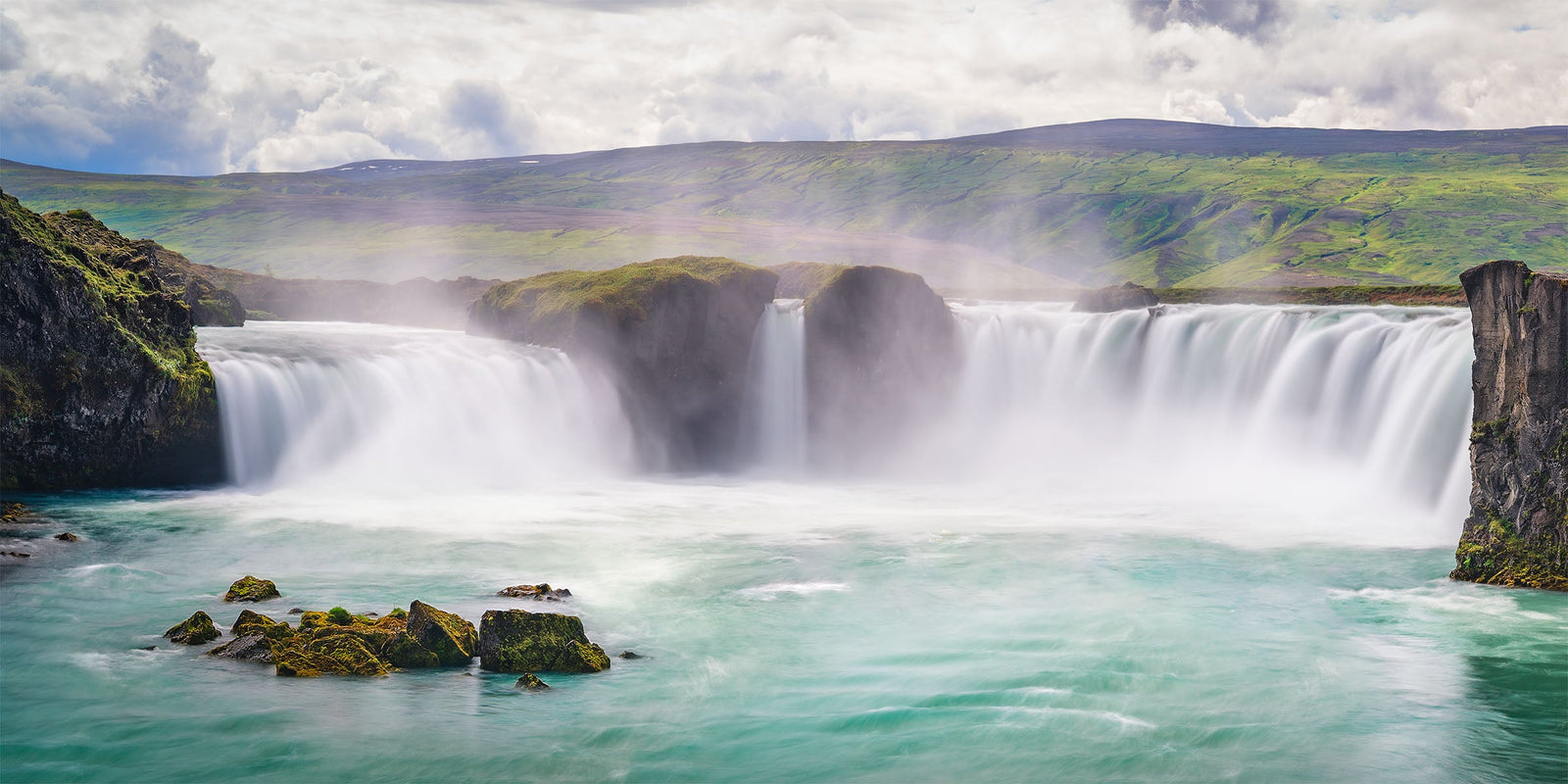
In “Stress-Reducing Effects of Real and Artificial Nature in a Hospital Waiting Room,” researchers in the Netherlands studied 457 patients waiting for radiology appointments such as MRI and CT scans. Over three weeks, two waiting rooms rotated among three conditions: real foliage plants, large posters showing close-up photographs of the same plants, or no plants at all. Patients waiting with real plants and patients waiting with the posters both reported lower stress than patients in the plain rooms. The effect was modest, about a 10% reduction in reported stress, but the authors note that such effects may add up for patients who visit repeatedly.
Perhaps the most interesting finding was that the real plants and the photographs worked equally well. Both made the waiting rooms seem more attractive, and that greater appeal helped explain part of the drop in stress. The researchers point out that images of nature offer a practical option in healthcare settings where real plants raise infection-control concerns, and they describe adding real or artificial natural elements as an “unobtrusive and inexpensive” way to help manage stress and anxiety. They also acknowledge that their study couldn’t determine whether nature itself was essential, or whether any improvement in a room’s appeal might help, though earlier research suggests people respond to nature especially consistently.
Most of our homes are far more welcoming than a hospital waiting room. Still, many of us spend long hours indoors carrying everyday worries about health, work, and family, and the spaces where we spend that time can either ease the strain or add to it. For those of us who can’t keep even the hardiest houseplant alive, this research is encouraging: thoughtfully chosen images of nature may offer a real, if modest, benefit.
Why would nature help us feel calmer? One explanation comes from psychologist Roger Ulrich’s stress reduction theory, which proposes that calm, non-threatening natural scenes prompt a quick, positive emotional response that helps the body settle. In a well-known 1991 study, Ulrich and colleagues found that people recovered from stress more quickly while viewing natural settings than urban ones.
When choosing images, attention restoration theory, discussed in our article on Clarity, offers a helpful guide: restorative scenes tend to hold attention gently, offer a sense of being away from daily demands, suggest a larger world to explore, and fit what you need. Beyond that, let personal preference lead. Notice which scenes bring you a sense of ease, from warm desert tones to cool, rainy forests, and browse the collection for ideas.
Source: Beukeboom, C. J., Langeveld, D., & Tanja-Dijkstra, K. (2012). Stress-reducing effects of real and artificial nature in a hospital waiting room. Journal of Alternative and Complementary Medicine, 18(4), 329–333. https://doi.org/10.1089/acm.2011.0488