

“Nature’s peace will flow into you as sunshine flows into trees,” wrote John Muir in 1901. Most of what we hear about nature and well-being echoes that first half: nature calms us, settles us, helps us recover from stress. But many people describe something more when they step outside. They feel more awake. More alive. As though some of the energy of the natural world has flowed into them, too.
Psychologists call this feeling subjective vitality: having physical and mental energy available to you, along with a sense of enthusiasm and aliveness. It isn’t the same as happiness or contentment, which can be pleasant but quiet. Nor is it nervous energy; anxiety, frustration, and restlessness don’t count. Vitality is the kind of energy we can actually use, and research has linked it with better coping and greater reported health and well-being.
In 2010, psychologist Richard Ryan and colleagues published five studies asking whether nature can make us feel more vital. In one, students took a silent 15-minute walk, either along a tree-lined path beside a river or through a series of underground tunnels. The pace and company were the same. Only the river walkers came back feeling more energized.
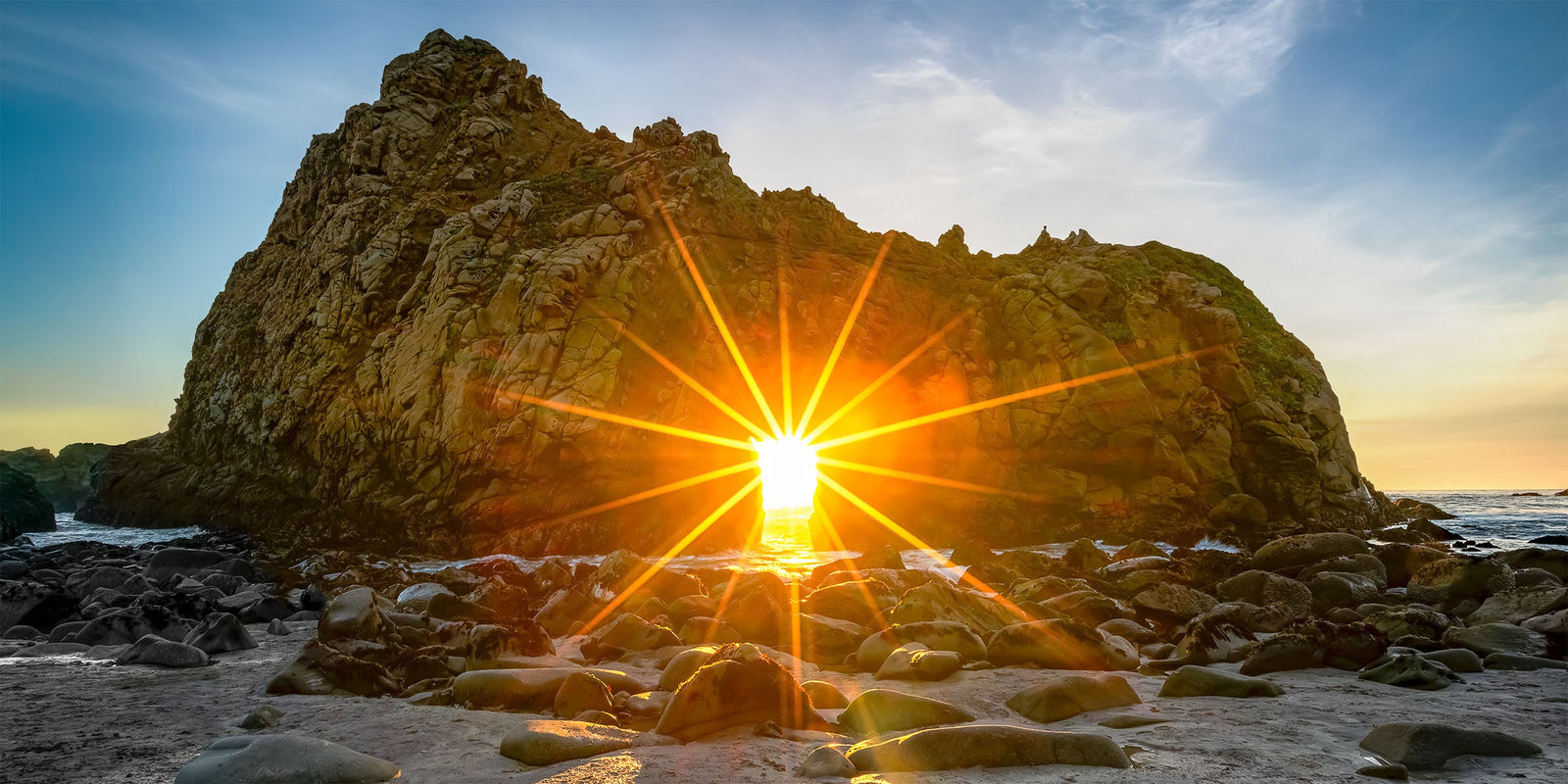
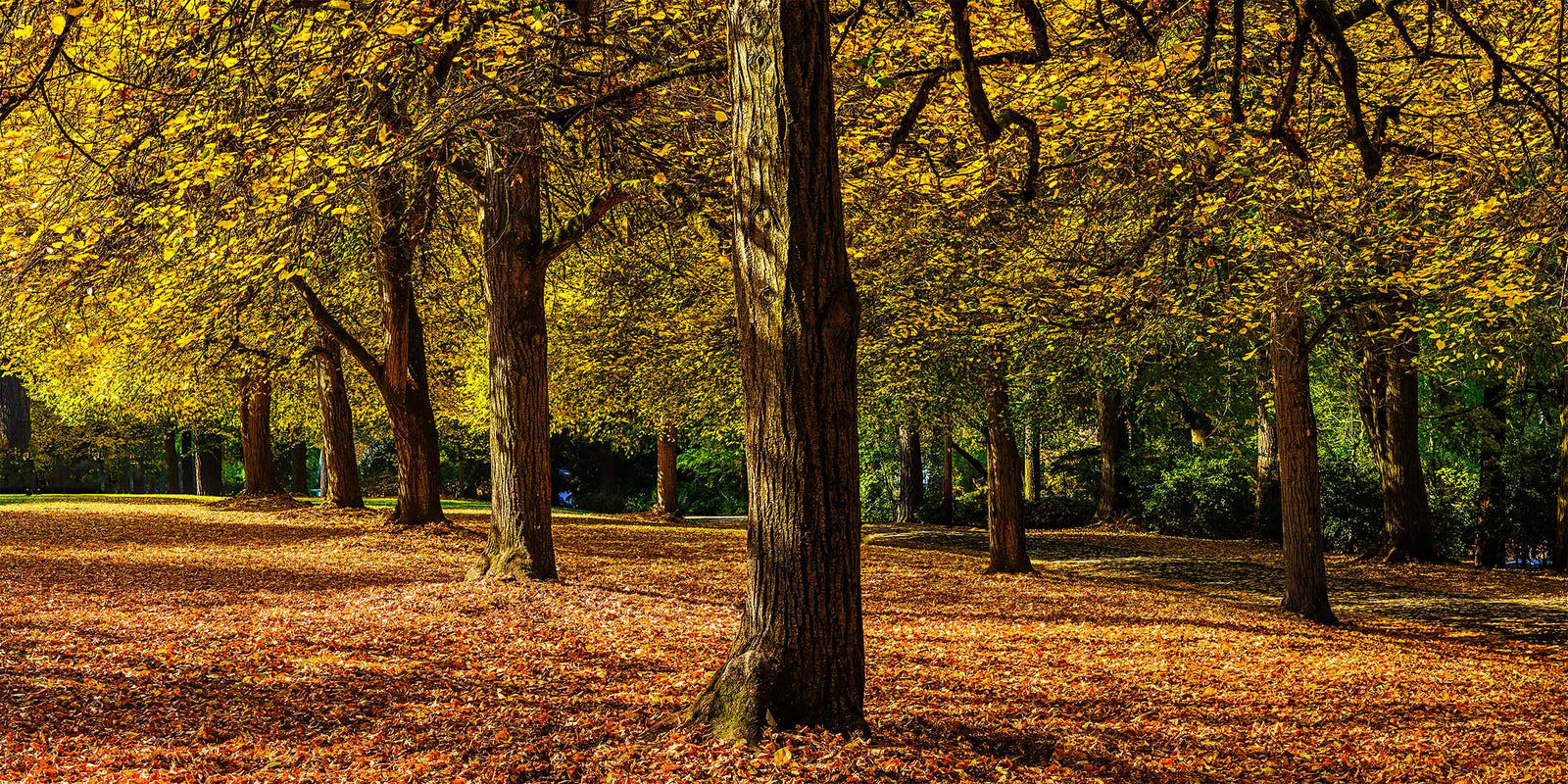
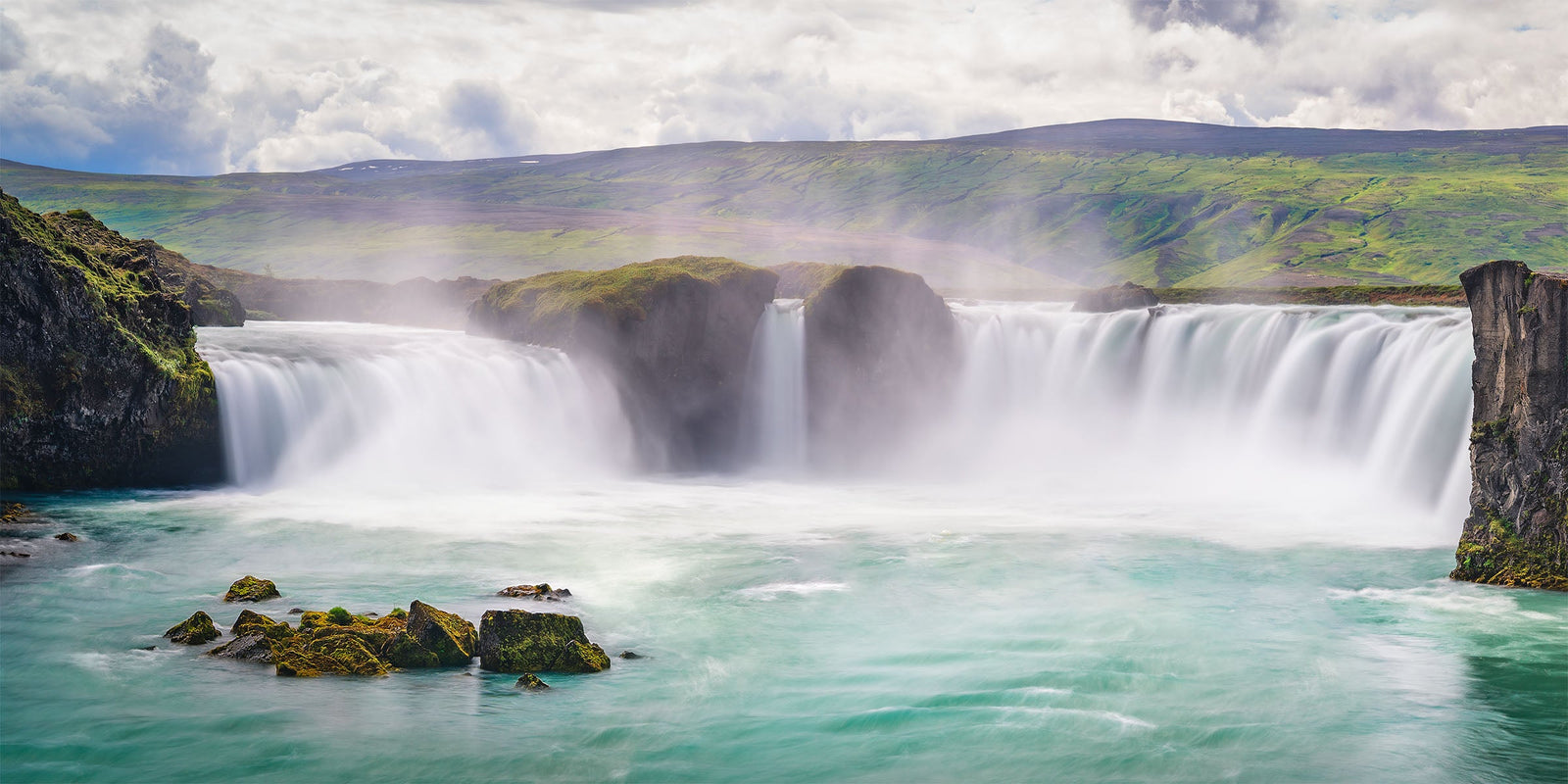
Another study asked whether photographs could have a similar effect. Students viewed four images for two minutes each, either nature scenes, such as a desert framed by cliffs or a lake at night, or scenes of buildings and streets. As they looked, a recording invited them to notice colors and textures and to imagine the sounds and smells of each place. Those who viewed nature felt more energized afterward, while those who viewed buildings felt less so. The changes were modest, but they pointed in a clear direction.
The researchers also followed students through their daily lives, checking in at random moments to ask where they were and how they felt. Being active and spending time with others both lifted their energy, as you might expect. But nature added something of its own. Much of the energizing effect of being outdoors seemed to come from the presence of nature itself, and natural elements counted indoors, too: a plant, a window, a glimpse of green.
These studies were small, and their participants were college students reporting their own feelings, so there is more to learn. Still, they suggest an encouraging idea: nature doesn’t only calm us. It can also enliven us. That is worth considering when choosing images for a space. A bedroom may call for stillness and quiet water, while a kitchen, office, or classroom may benefit from images full of light, color, and open sky.
Try it: Choose an image that feels bright and inviting to you. Before you begin, notice how much energy you have right now. Then spend two minutes with the image. Let your eyes move across its colors and textures. Imagine the sounds of the place, the air on your skin, the scent of earth or water. When you finish, check in with yourself again. And when you can, take the next step: a 15-minute walk somewhere green.
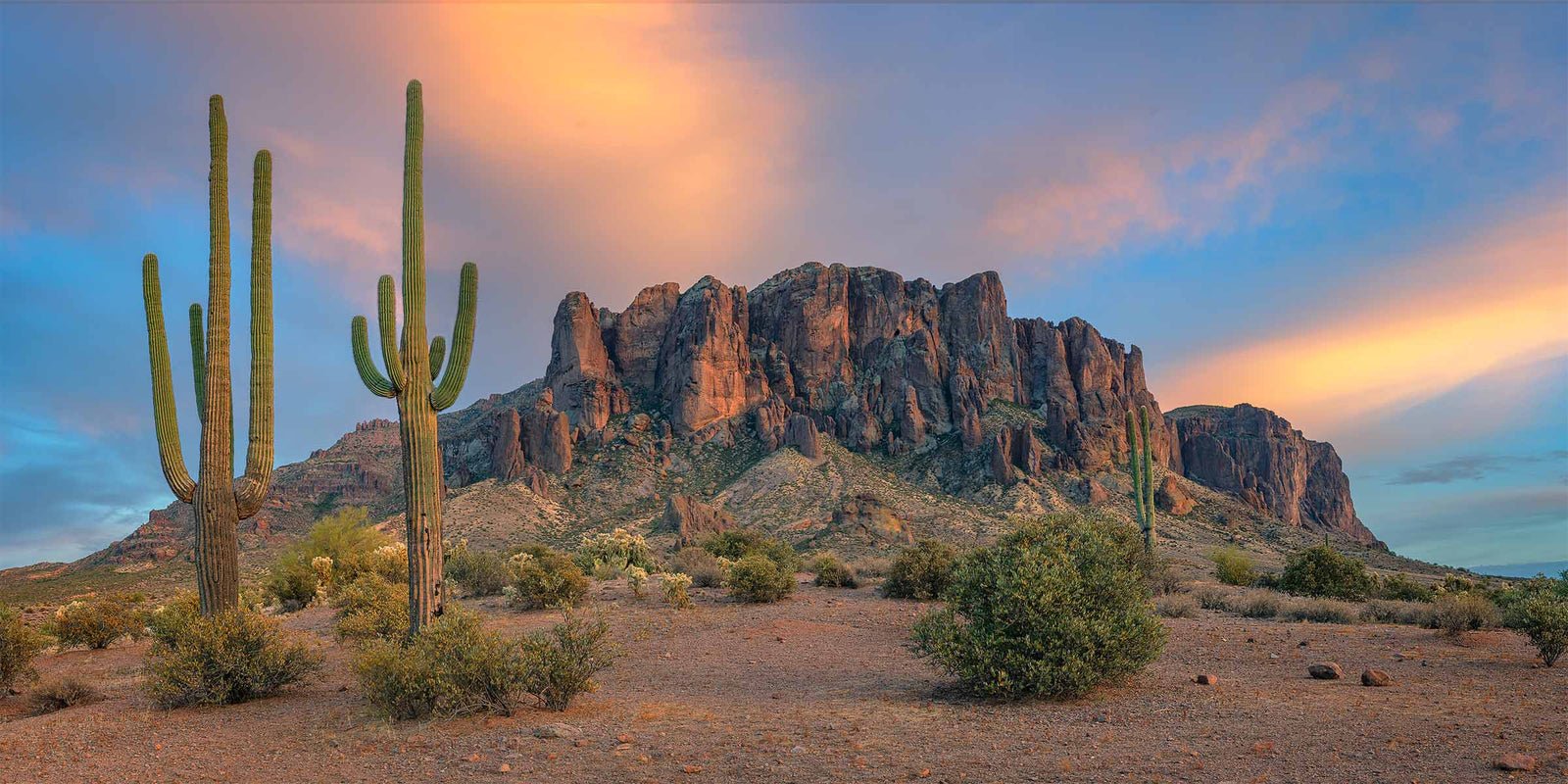
The image at the top of this article, The Gold Was Always Here, captures evening light settling across the Superstition Mountains in Arizona. It is available as a print.
Source: Ryan, R. M., Weinstein, N., Bernstein, J., Brown, K. W., Mistretta, L., & Gagné, M. (2010). Vitalizing effects of being outdoors and in nature. Journal of Environmental Psychology, 30(2), 159–168. https://doi.org/10.1016/j.jenvp.2009.10.009