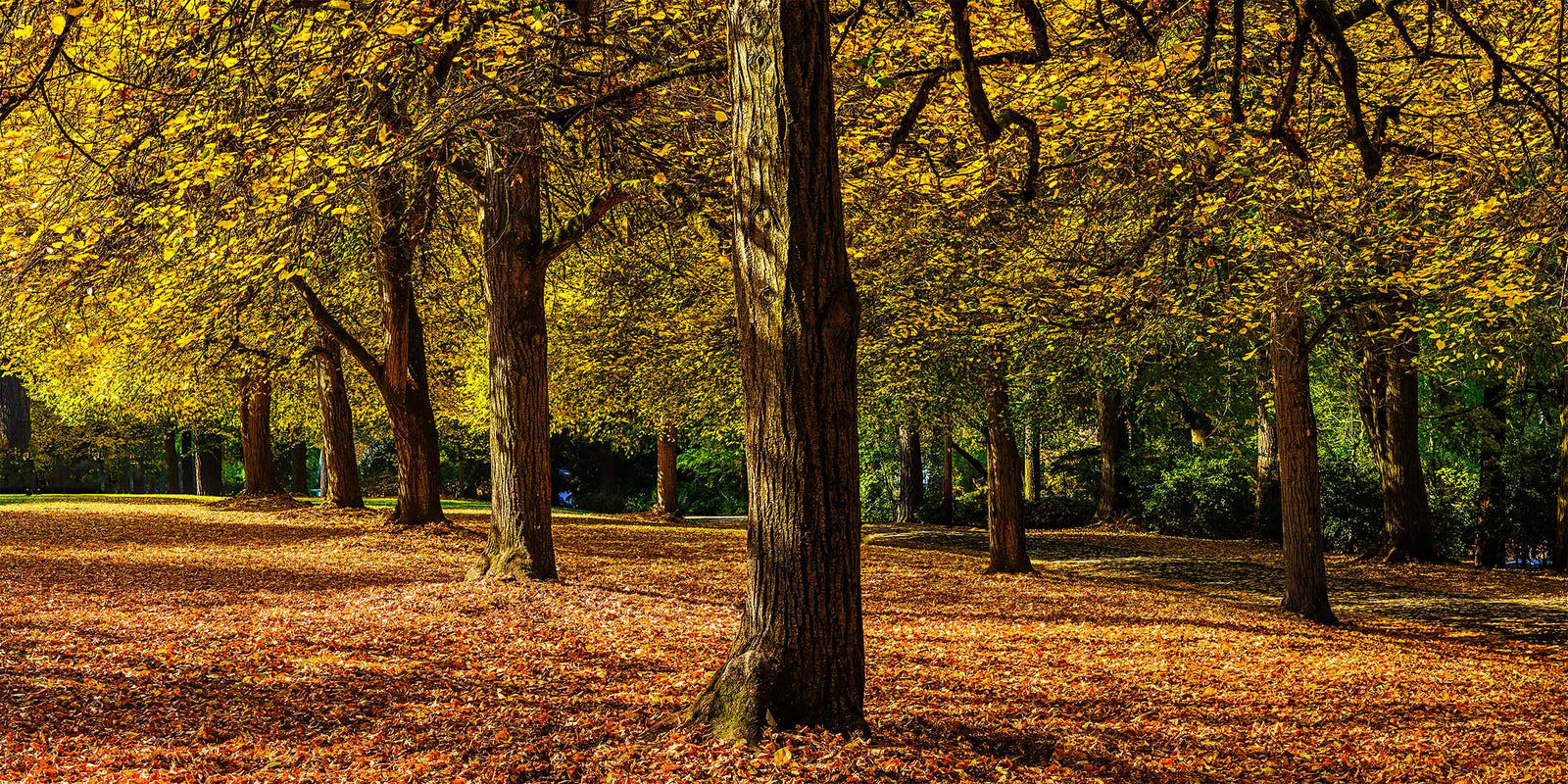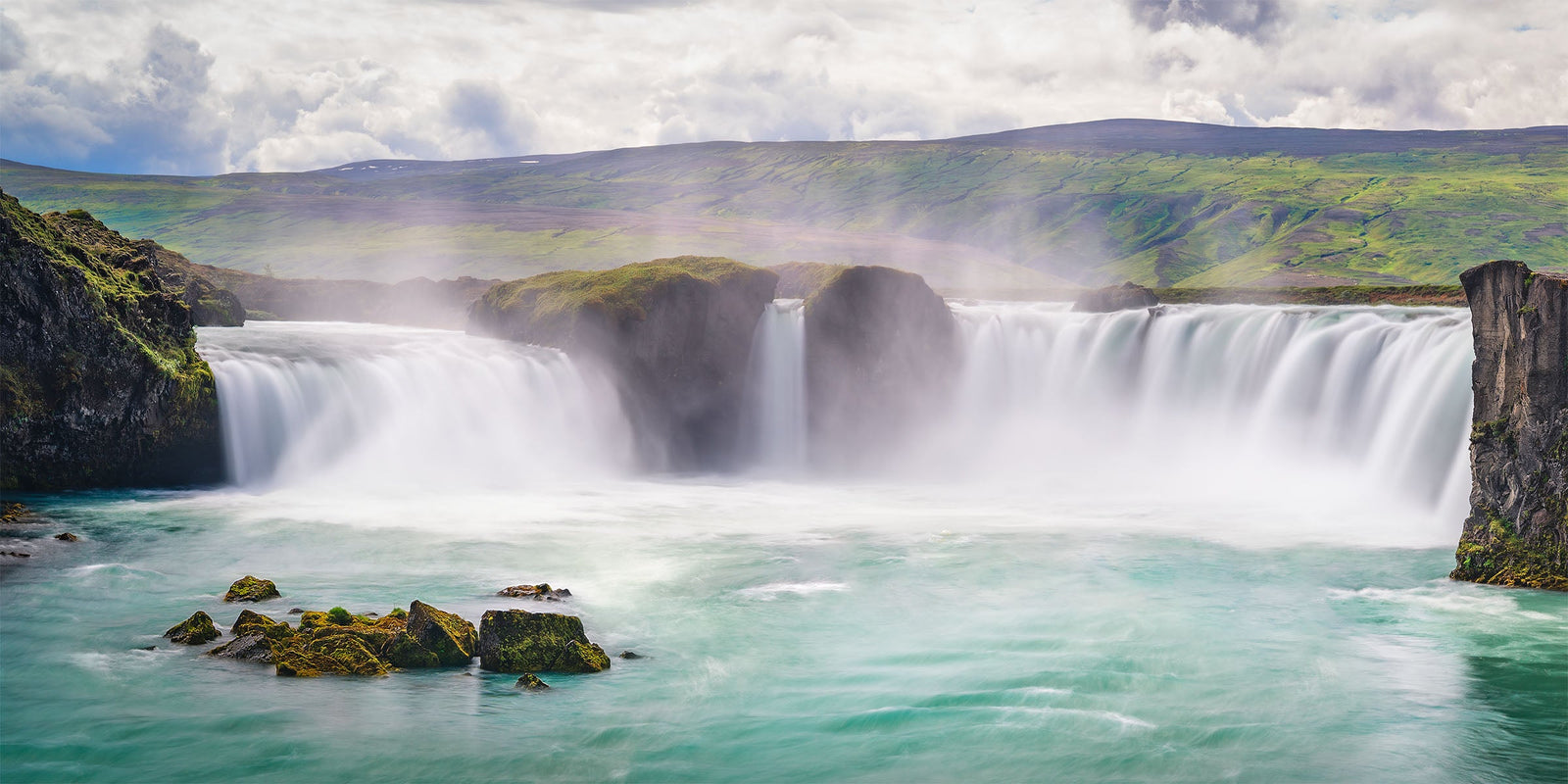

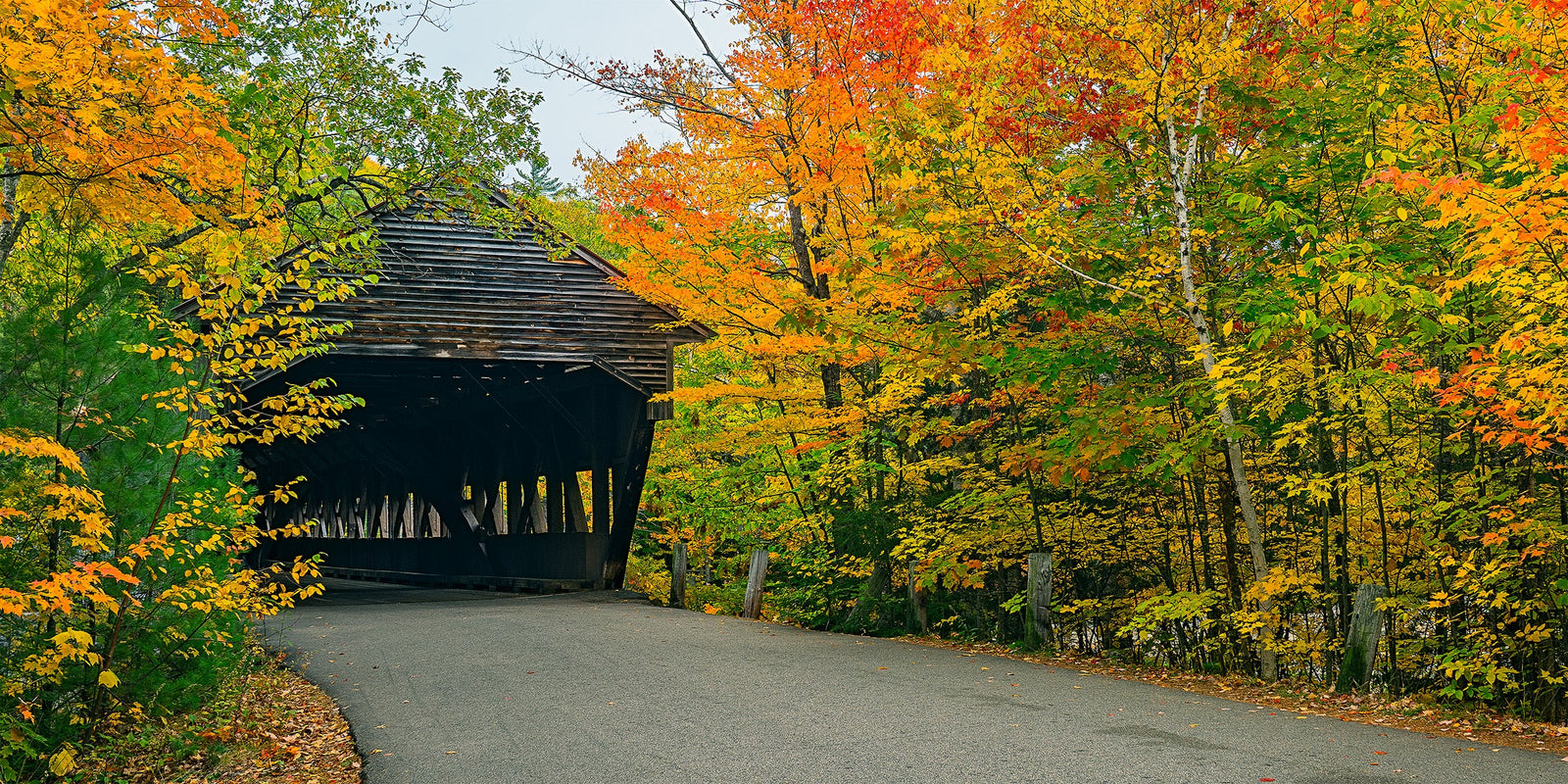

We usually think of nature’s benefits in personal terms: it helps us feel calmer, think more clearly, recover our energy. But can time with nature also change what we care about?
Psychologists often distinguish between two kinds of life goals. Intrinsic aspirations, such as personal growth, close relationships, and contributing to our communities, meet our basic psychological needs. Extrinsic aspirations, such as wealth, image, and fame, are pursued mainly for rewards or approval from others. Research has linked intrinsic goals with greater well-being.
In a 2009 series of four experiments, psychologists Netta Weinstein, Andrew Przybylski, and Richard Ryan at the University of Rochester asked whether nature might shift these values. In three of the studies, students viewed four images for two minutes each, showing either natural landscapes or cities and buildings, while a recording invited them to notice details and imagine the sounds and smells of each place. In the fourth, students spent time in a room that either did or did not contain four living plants.
After time with nature, students valued intrinsic goals like relationships and community more, and extrinsic goals like wealth and fame less, than they had beforehand. Those who viewed cityscapes moved the other way, placing more value on wealth and image. In two of the studies, students were also given five dollars and the choice to keep it or share it with another participant. Those who had viewed nature images, or spent time with the plants, were more generous.
One detail stands out. The effects came mainly from people who felt immersed in what they were seeing. The more fully people were absorbed in nature, the more they turned toward others; the more absorbed they were in built settings, the more self-focused they became. The researchers found two experiences behind the shift: nature helped people feel more connected to the natural world, and more autonomous, in touch with themselves and free of outside pressure. (For more on our connection with nature, see our article on Connection.)
These were brief laboratory studies with university students, measuring values and one decision about money right afterward, so we don’t know how long the effects last or how they unfold in daily life. Still, they suggest something worth considering: the spaces we inhabit may shape not only how we feel, but what we value and how we treat one another. That matters at home, and it may matter even more in shared spaces like classrooms, workplaces, and waiting rooms.
The findings also suggest that presence matters more than decoration. An image we pass without noticing may do little; one we pause with and step into can draw us outward. Place nature images where people naturally linger, and take a moment to truly look.
Try it: Before a conversation that matters, or at the start of a shared day, spend two minutes with an image of nature. Let yourself be drawn into it: notice its details, imagine its sounds and the air of the place. Then turn your attention to the people around you, and notice how you feel toward them.
Source: Weinstein, N., Przybylski, A. K., & Ryan, R. M. (2009). Can nature make us more caring? Effects of immersion in nature on intrinsic aspirations and generosity. Personality and Social Psychology Bulletin, 35(10), 1315–1329. https://doi.org/10.1177/0146167209341649