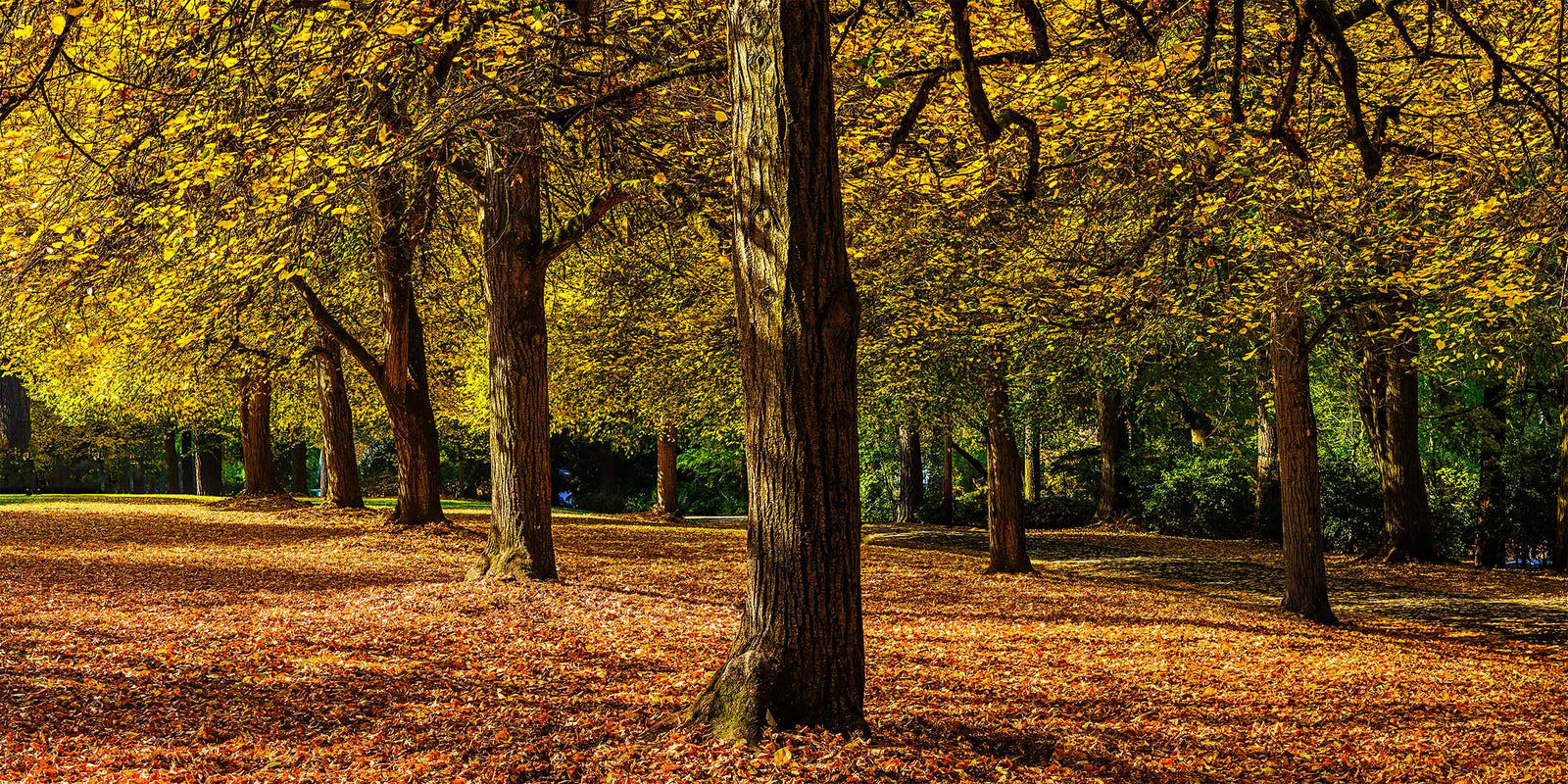

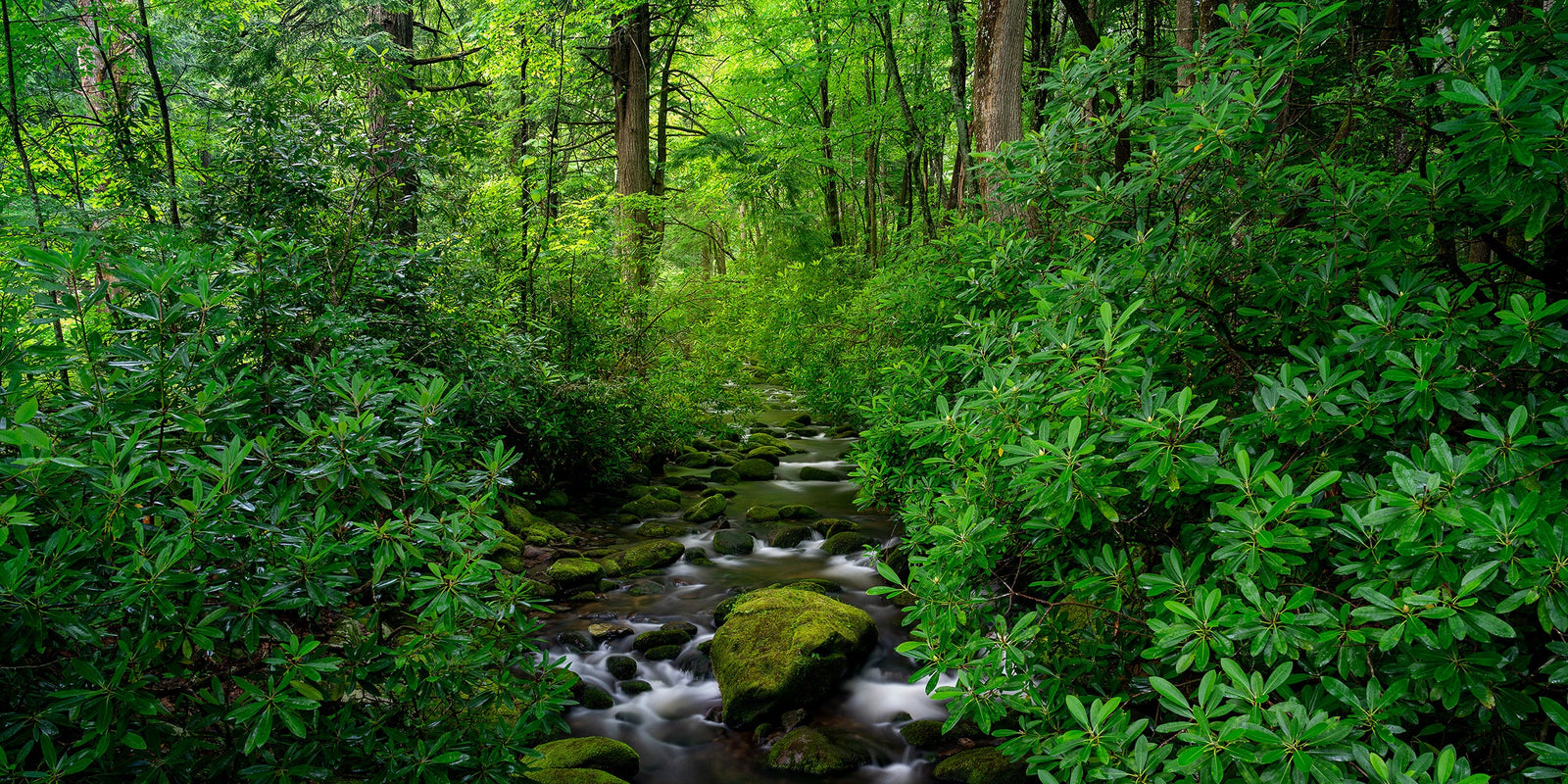

For decades, researchers have noticed a striking pattern: people who spend more time in and around nature tend to be healthier. Greener surroundings have been linked with lower rates of depression, anxiety, cardiovascular disease, diabetes, and many other conditions, and with longer life. In one study of more than 345,000 people, the prevalence of 11 major categories of disease was at least 20% higher among those living in less green surroundings, even after accounting for socioeconomic status.
Findings like these raise an important question: how? They also come with a caution, since healthier people may simply be more likely to live in greener places. Understanding the routes from nature to health helps answer both. In a 2015 review, Ming Kuo of the University of Illinois’s Landscape and Human Health Laboratory gathered the research and identified 21 plausible pathways, each linked both to contact with nature and to specific health outcomes.
What’s in nature
- Phytoncides: compounds released by plants that, in studies, lower blood pressure and support immune function.
- Negative air ions: abundant in forests, in mountains, and near moving water, and linked with reduced depression.
- Mycobacterium vaccae: a microorganism found in natural environments that appears to boost immune function.
- Environmental biodiversity: may support healthy microbes on our skin and in our gut, though the evidence is mixed.
- Natural sights: views and images of nature shift the nervous system toward relaxation and help restore attention.
- Natural sounds: hearing nature promotes the body’s rest-and-restore response.
- Cleaner air: trees and plants filter some pollutants from the air.
- Cooler temperatures: vegetation softens the heat of cities.
- Less violence: greener surroundings appear to be associated with lower levels of violence.
How our bodies and minds respond
- DHEA: a hormone with heart-protective properties that rises after forest walks.
- Adiponectin: a protein that helps protect against hardening of the arteries, which increases with time in nature.
- Normalized blood glucose: walks in forests, but not cities, have lowered elevated blood sugar.
- Relaxation: a shift toward the body’s rest-and-restore state, which improves sleep and counters the effects of stress. (See Calm.)
- Awe: regular experiences of awe are linked with lower levels of inflammation. (See Wonder.)
- Vitality: feeling energized and alive, which has been linked with resistance to infection and lower risk of mortality. (See Joy.)
- Attention restoration: a rest for the mind’s effortful focus, which may also strengthen impulse control. (See Clarity.)
- Immune function: time in forests increases the body’s natural killer cells, which help fight infection and tumors, and lowers inflammation.
What nature helps us do
- Physical activity: sometimes, though the link is less consistent than we might expect.
- Healthy weight: greener neighborhoods are consistently linked with lower rates of obesity.
- Sleep: contact with nature is linked with better sleep.
- Social ties: green spaces support stronger connections with others.
A possible central pathway
Kuo also asked whether one pathway might explain much of nature’s effect on health, and proposed enhanced immune function as a promising candidate. In one study, two 2-hour forest walks on consecutive days increased the number and activity of natural killer cells by roughly half, and their activity remained 23% above its starting level a month later. Because the immune system influences infection, healing, inflammation, and many chronic diseases, it could help explain why nature is tied to such a wide range of health outcomes. Kuo presents this as a promising possibility, not a settled conclusion, and notes there may be other central pathways.
What this means for the spaces where we live
Many of these pathways depend on being in nature itself: breathing forest air, hearing moving water, walking among trees. Nothing replaces that, and the clearest message of this research is to spend time outdoors whenever you can.
Some pathways, though, travel through the eyes. Natural sights help the body relax and the mind restore, and research suggests that images and video of nature can contribute to experiences of awe and vitality as well. These are the pathways our Learn articles explore, from Calm and Clarity to Stillness, Connection, Wonder, and Joy. Bringing nature’s sights indoors won’t replace a walk in the woods, but it can carry a few of these pathways into the rooms where we spend most of our days.
Source: Kuo, M. (2015). How might contact with nature promote human health? Promising mechanisms and a possible central pathway. Frontiers in Psychology, 6, 1093. https://doi.org/10.3389/fpsyg.2015.01093